Originally published in Safety Harbor Living magazine, April 2023
By Laura Kepner
Frank Petree was born at Morton Plant Hospital in 1935 and raised in Safety Harbor during a time when
the land was thick with oak trees and the air smelled of orange blossoms. It was a quieter place then,
with fewer people, fewer buildings.
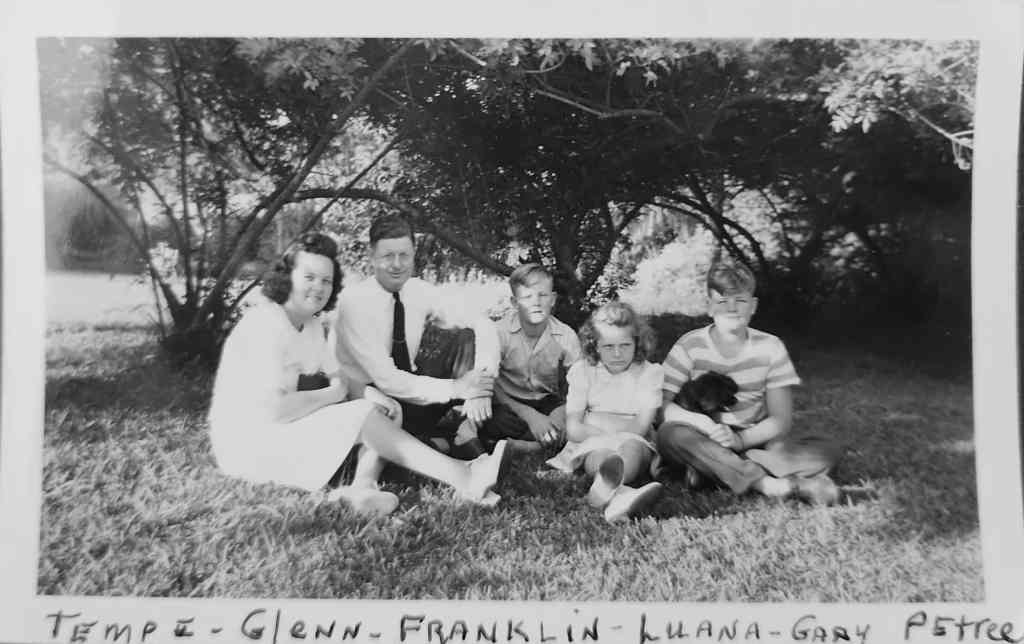
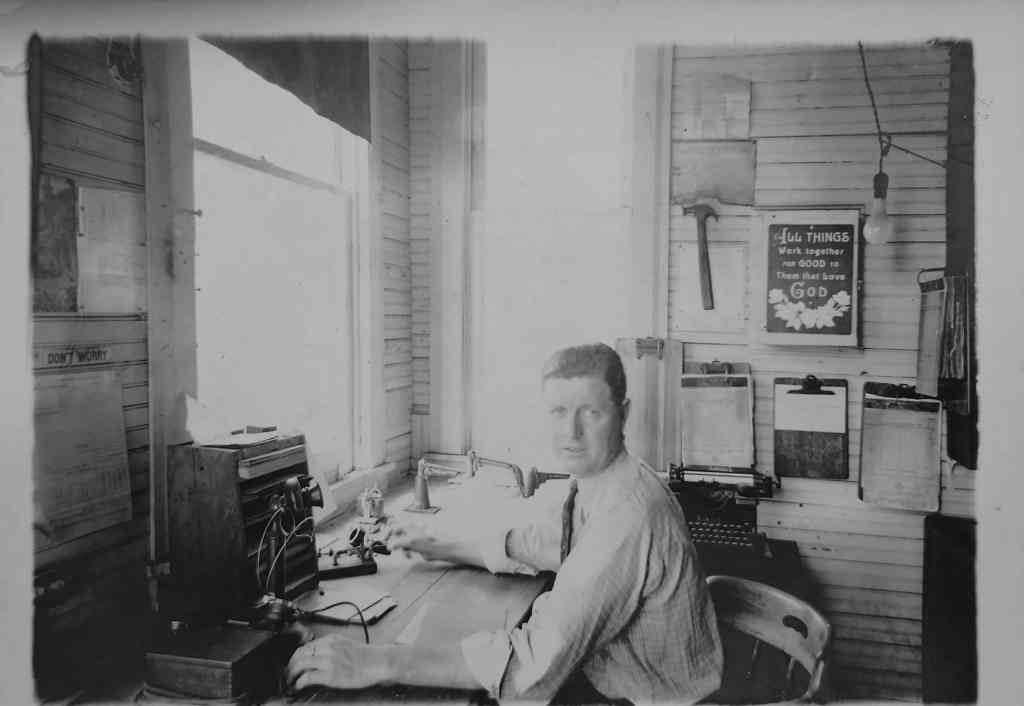
“My dad was the station agent for the railroad,” he says. “Never left a minute early and never had direct
supervision.” His father, Glenn O. Petree, a dedicated, 32 nd degree Mason, walked to the small wooden
depot every day. “When I was young, they had an old coal-burning potbellied stove right in the middle of
it. There was a platform and immediately adjacent to Main Street was an area where passengers would
sit.”
Young Frank climbed every tree in Safety Harbor. He and his friends would borrow his dad’s railroad lantern that was used to flag the trains. They’d bring that and a washtub to the bay. “You could actually wade out there and fill the tub full of crabs,” he says. “There was a fellow named Jesse Freedman—lived up on Tenth Avenue. He had a cornfield that went all the way to the railroad. We’d go out there and steal corn. We’d throw in that corn and some potatoes and boil the crabs at the pier—always around 11 o’clock at night.”
McMullen Booth Road was two dirt lanes back then. He remembers a giant oak tree separating those lanes in front of the Kapok Tree, which still stands in front of what is now Sam Ash Music. He also remembers groves on both sides of Philippe Parkway, around Grand Central. “Both sides of the road were groves. All during the citrus season in the wintertime they would have a box car there. We used to ship out at least 500 to 600 boxes a day.”
Frank remembers his whole family working together during those months. “My mother was a housewife
but he’d have all of us down there. She didn’t mind the work but what made her mad was he insisted
she draw unemployment when the citrus season was over. I would be sitting there day in and day out
writing waybills. I got to the point I knew every town in the United States. We shipped it everywhere
except California and Texas. They had their own citrus.”
Admittedly, Frank sometimes found himself in trouble when it came to school. “I skipped two grades as
a young guy. Later on in high school I gave one back, so I wasn’t eligible for sports,” he says.
“Somewhere along the line, I found I could throw a baseball. But one sideline is that I was one semester
away from flunking senior English. Mrs. Knapp was probably 70 years old. She’d been teaching all her
life. She had tears in her eyes and she said, Frank, do you know the worst thing a school teacher has to
put up with? I said, what’s that? She said, having students you know can do it but won’t. I left that day
and asked myself, what right do I have to make that little old lady cry?” Frank got straight A’s the last
semester.
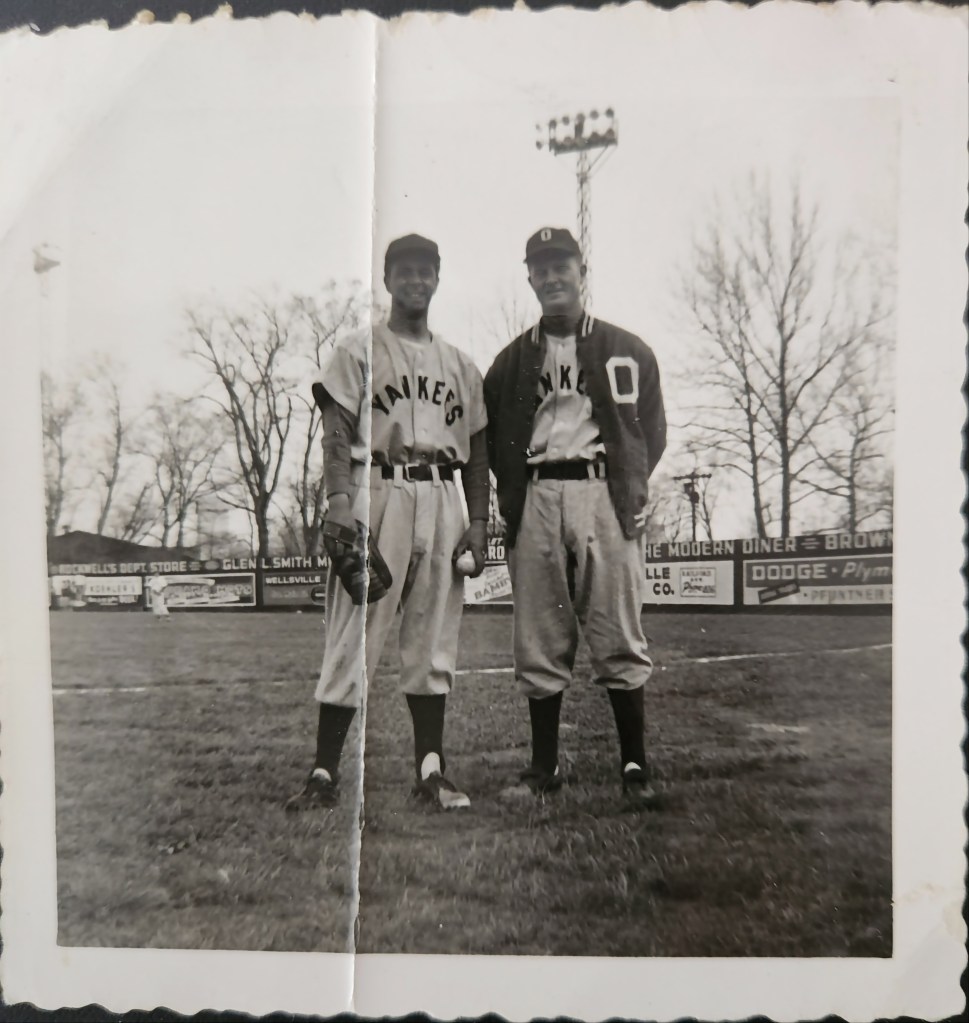
“I went to the American Legion and told them I was a pitcher and an outfielder,” he continues. “I was playing center field one day and threw two people out trying to score from second on singles. The next day I went to Tampa and the next day, I pitched. I couldn’t throw a strike. I pitched maybe four innings
and they took me out.”
When he returned to Safety Harbor, his mother was waiting for him. “She was living up there on the corner of Third Avenue and Fourth Street. She was waving the newspaper and she couldn’t wait to tell me Dazzy Vance had been at the game in Clearwater when I threw them guys out trying to score from center field. He was what they called a bird dog scout. He was interested in seeing me pitch.”
Frank spent several weeks training at Vance’s home in Homosassa. He remembers working with Al Lopez and Pepper Martin. “Pepper Martin was part of the old Gashouse Game—the St. Louis Cardinals that got the penalty in 1934. He had a guy named Jake Flowers come up. He’s the one that eventually signed me with the Yankees.”
That was February of 1953 and Frank was 17. “I was going to Olean, New York. It was called the Pony League. We had spring training in Cambridge, Maryland. On a cold dreary day, we left Cambridge and played several military teams on the way to Olean. I was pitching against the Army team at Fort Dix, New Jersey. The last pitch of the first inning I snapped off a curve ball and I got real sharp pains, my elbow. It never stopped hurting. Eventually, I got trouble in my shoulder.
Frank returned home and married Mary Lou Spung. “The first time I met my wife I was sitting under the Tree of Knowledge right on the corner of Philippe Parkway and Main Street. She was in a nurse’s uniform because she worked for Dr. Baranoff at the Spa.” They had three children, Blaine, Valerie, and Lori, and were married for almost 58 years before Mary Lou died.
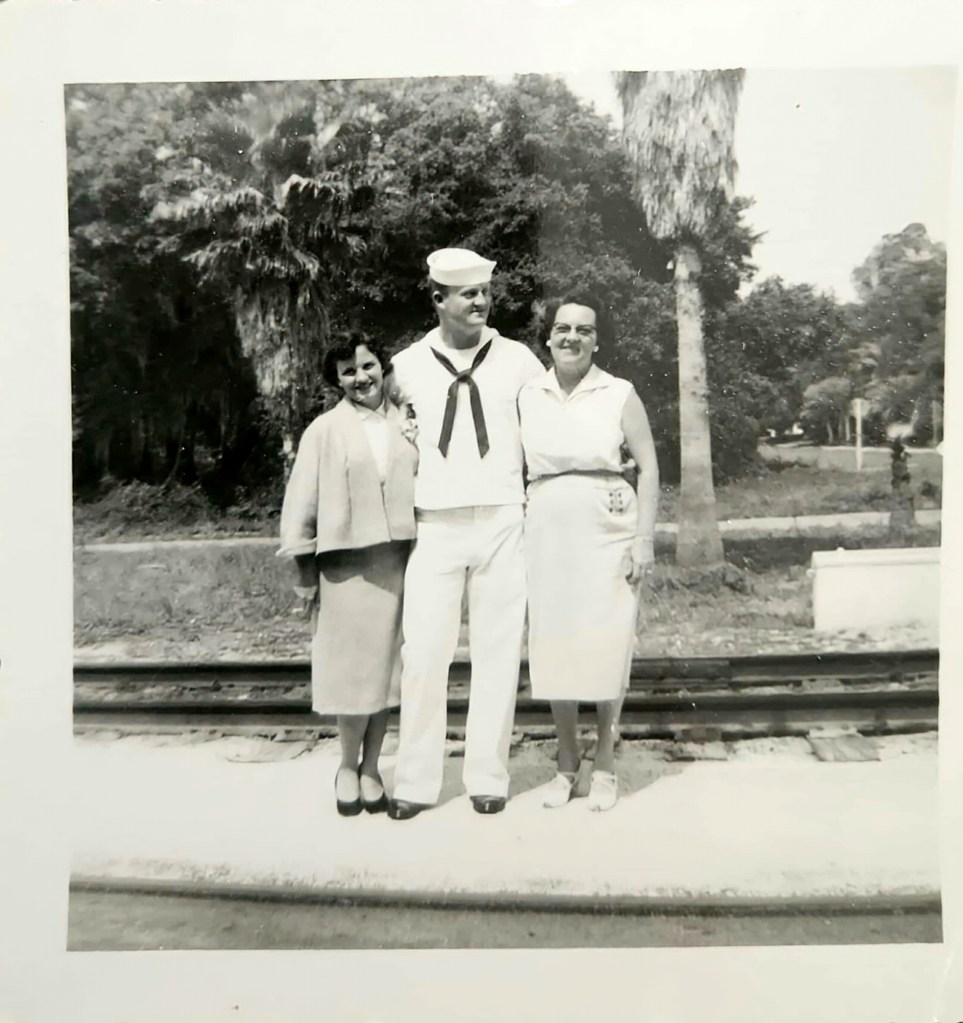
Injuries cut Frank’s baseball career short. “I joined the Coast Guard in 1954,” he says. “My first assignment was Fire Island, New York.”
After returning home from the Coast Guard, Frank pumped gas for the Gulf Oil Corporation. He applied to work as a letter carrier for the Post Office when Safety Harbor established city delivery service. He and Ernie Liebe were the first carriers in Safety Harbor. “One day the postmaster came in and asked if I’d be interested in being a postal inspector. I said, what’s that?”
Frank spent the remainder of his career as a postal inspector and now lives in West Virginia. He visits Safety Harbor several times a year to spend time with his adult children and family and two lifelong friends, Charles Trulock, and Randall Blanchard. “This place has expanded with growth,” he says.
“But the only way you’re going to keep people from coming is to make the place undesirable to live. My daughter
likes the old Safety Harbor. Me? It don’t bother me.”
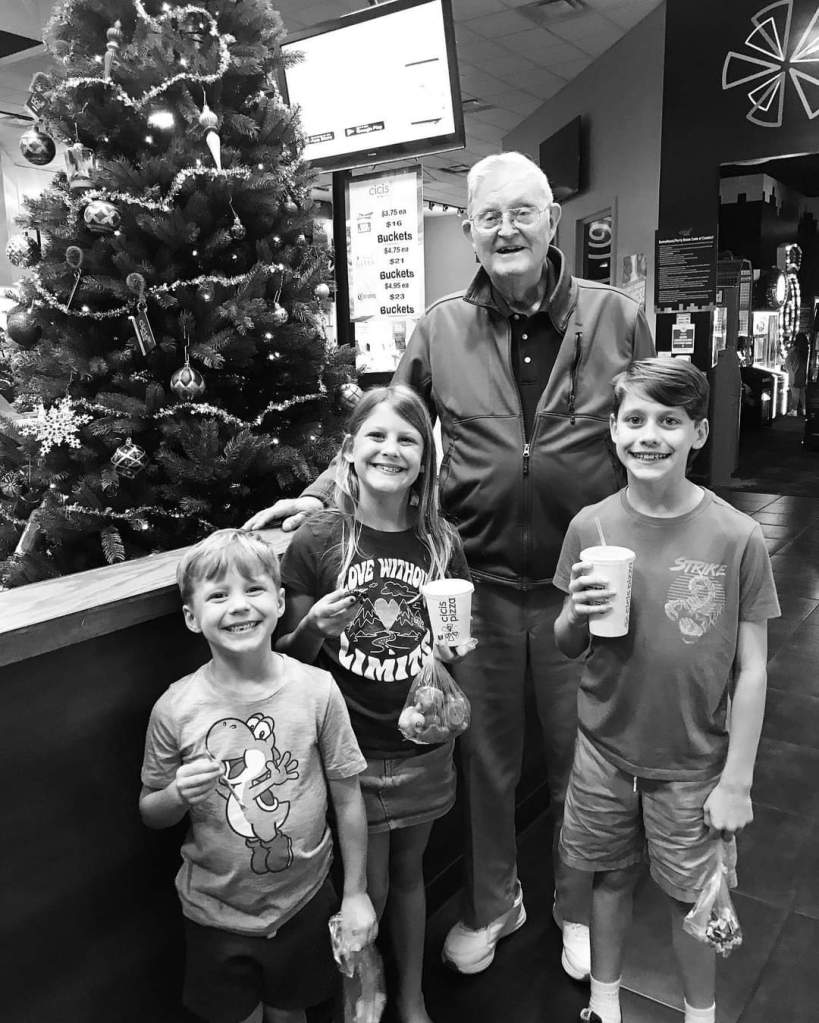
 Local history, first hand